3 September 2026 · Bruce Hearder · 11 min read
getting-startedBeginner's Guide to Gold Prospecting in Western Australia with a Metal Detector

Western Australia is fast becoming a Mecca for gold prospectors from all over the world, with amateurs turning up decent gold every year. The state has produced millions of ounces over the last 130 years, and there's still plenty near the surface, waiting for someone to find it.
To get started you don't need expensive gear or a university degree. All you need is a Miner's Right, an idea of where you're allowed to go, a bit of geology, and the right online maps so you don't waste time on the wrong ground.
Getting your Miner's Right
In WA you must hold a Miner's Right before you start looking for gold. Without one you're breaking the law, even if the ground looks empty.
The process is easy and cheap:
- The fee is $30 (as of September 2026).
- It never expires. Once you've got it, it's yours for life.
- It's not transferable. Everyone needs their own.
To get one, apply online through the Department of Mines, Petroleum and Exploration (DMPE) website, go to Mineral House in East Perth (100 Plain Street), or call in at any Mining Registrar's office around the state.
Of course, you'll need to prove your identity (full name, including middle n you get your Miner's Right on the spot; apply online and it takes longer.
I'd suggest keeping a copy on your phone, or a photocopy in the car, and carut prospecting.
It gives you the legal right to prospect for gold with hand-held tools (a me up to 20 kg of samples at a time, camp while you prospect, and peg ground if you ever decide to apply for your own tenement.
Where you can go, and where you can't
A Miner's Right doesn't mean you can swing a detector anywhere. WA has clear rules based on the type of land.
Places you can prospect
- Unallocated or vacant Crown land that isn't covered by a granted mining tenement. This is the simplest ground to start on.
- Pastoral leases, diversification leases, or grazing and timber leases thatning tenement. You have to give the pastoralist reasonable notice of whereyou'll be and for how long. Be polite, leave gates as you find them, and stay away from water points and stock. Most pastoralists are fine with prospectors who do the right thing.
- Granted mining tenements (prospecting licences, mining leases and the like), but only with the written permission of the tenement holder.
- Granted exploration licences, either with the holder's written permission on 40E Permit. That permit lasts three months, covers nominated graticularblocks, allows hand-held tools only, and has a short waiting period so the exploration company can be told you're coming.
Places you can't prospect (even with a Miner's Right)
- National parks and nature reserves.
- Land inside gazetted townsites.
- Cemeteries and other classified reserves.
- Private freehold land (farmland), unless you hold a separate Permit to Ents permission.
- Land under exclusive-possession native title, without the native title party's permission.
- Within 100 metres of an occupied house, crops, gardens, stockyards, airstr occupier agrees.
- Within 400 metres of a pastoralist's water works, dam, well or bore, unless they agree.
Always check the tenement status before you leave home. Ground that looks open one week can be under application the next. If in doubt, stay off it.
Good areas to start are the Eastern Goldfields around Kalgoorlie-Boulder, Coolgardie, Ora Banda, Menzies and Leonora, and parts of the Murchison: Cue, Mount Magnet, Meekatharra and Sandstone. They've got sealed roads, fuel, shops and a long history of sas gold too, it's just more remote and usually a lot hotter.
WA gold geology, the simple version
Western Australia sits on some of the oldest rocks on the planet. Most of tharn Craton, a huge block of ancient crust more than 2.5 billion years old.Running through it are long, narrow strips of rock called greenstone belts.
Think of the landscape like a giant sandwich. Big blobs of pale granite make up most of the bread. Between them sit thinner, darker layers of volcanic and sedimentary rock that have been squeezed, heated and folded for billions of years. Those darker lalts, and almost all the gold in WA sits right there, inside the greenstone or just beside it.
Greenstone rocks are usually dark green, grey or black. They're old lava flows, volcanic ash and sediments that have hardened into rock. Granite is lighter, pink, grey or white, and it's generally poor ground for gold.
Inside the greenstone, gold tends to sit in two places:
- Quartz reefs and veins. White or glassy quartz that filled cracks in the ith it.
- Shear zones. Long zones where the rock has been crushed and stretched. These act like highways for hot, mineral-rich fluids.
Over millions of years the surface rocks weather and break down. Gold is heavy, so when the rock crumbles the gold stays behind, in the soil, in laterite (iron-rich gravel and hardcap), or in the beds of old creeks. That's the gold a metal detector finw alluvial and eluvial gold that's already been freed from the hard rock.
What to look for on the ground
When you get to a new spot, train your eye for these:
- White quartz float, loose bits of quartz lying on the surface. Lots of it a reef system.
- Ironstone and laterite, reddish-brown or black iron-rich rock and gravel. Gold often concentrates at the base of the laterite, or where it meets fresh rock.
- Old diggings and costeans, the trenches, pits and mullock heaps the old-tire they worked the main reef, they often left smaller bits and alluvial goldnearby.
- Gullies, dry creeks and low rises, where water once moved material and dro
- Colour changes in the soil. A sharp change from red to grey or black can mark the edge between rock types.
You don't need to be a geologist. Learn to tell greenstone from granite on a map, then look for quartz, ironstone and old workings on the ground. That combination gets you close most of the time.
Online tools that save you time and fuel
The biggest waste of a beginner's time is driving for hours to ground that's or worse, sitting on barren granite. Free government tools, and a few paidones, let you check all of this from your phone or laptop before you leave home.
Free official tools
TENGRAPH Web (tengraph.dmp.wa.gov.au, or through the DMPE website) This is the most important one. It shows every current and pending mining tetive map. You can see the type of tenement, who holds it, and whether theground is open. Check it the day before your trip, or the morning you leave, because applications can be lodged overnight.
GeoVIEW.WA The Geological Survey's free mapping system. Turn on the geology layers and s, granite and the major structures. You can also bring up mines, mineraldeposits, old tenement maps and aerial photos. It's good for working out which ridges and gullies are worth a closer look.
MINEDEX A searchable database of known mines, deposits and prospects. Handy for findields and seeing what's already been found nearby.
WAMEX Open-file company exploration reports. Once a company finishes work on a piece of ground, its reports become public, and you can download maps and notes on where they found gold or interesting geology.
All of these are free and run by the WA government. They work in any modern will run on a phone with mobile data, or download for offline use wherethat's offered.
Paid and third-party tools
A few commercial platforms and apps build on the free government data and add some convenience:
- Mobile overlays that show live tenements, geology and old workings on your phone while you're in the field.
- Offline packages that let you download big areas of TENGRAPH and geology do signal.
- Prospectivity maps and historical aerial photo layers that show old diggings more clearly than the basic government viewers.
Prices vary. Some have a free basic tier and charge for the advanced layers or offline packs. For most beginners, free TENGRAPH Web and GeoVIEW.WA are enough to get going. As you do more trips, a paid offline or mobile option can save real fuel and time.
Whatever you use, get into the habit of:
- Checking TENGRAPH for open ground.
- Checking the geology layer in GeoVIEW to stay on greenstone.
- Noting any old workings or mineral occurrences nearby.
- Saving or printing a map of your area before you lose mobile coverage.
Putting it all together
A simple checklist for your first few trips:
- Get your Miner's Right ($30, lifetime).
- Pick a region with good access. Coolgardie or the wider Kalgoorlie distri
- Open TENGRAPH Web and find vacant Crown land, or pastoral lease ground, that isn't under a live tenement.
- Switch to GeoVIEW.WA and check the ground sits on or next to greenstone rvoid the granites.
- Look at aerial imagery in Google Maps or Google Earth for any quartz, ironstone or old diggings you can see from above.
- If it's a pastoral lease, get the pastoralist's contact details. The Mine you'll have to phone to get them. Then email the pastoralist to say whenyou'll be on their land and where.
- Fill every hole you dig, and leave the place cleaner than you found it.
Gold prospecting in WA rewards patience and persistence more than expensive ers find their first pieces within a few days, as long as they're on theright geology and legal ground. Stay on legal ground, fill your holes, and keep at it.
Frequently asked questions
Do I need a permit to metal detect for gold in Western Australia?
Yes. Metal detecting for gold counts as prospecting under the Mining Act 1978, so you need a Miner's Right ($30, as of September 2026) before you swing a detector. It never expires.
How much of the gold I find can I keep?
A Miner's Right lets you take and keep samples up to 20 kg at a time. That'ssts ever find. It doesn't cover actual mining, just prospecting.
Can I prospect for gold in a national park or nature reserve?
No. National parks, nature reserves and other classified reserves are off liRight. So are gazetted townsites and cemeteries.
Can I metal detect for gold on private land or farmland?
Only with a separate Permit to Enter and the landowner's permission. Without Pastoral leases work differently: with a Miner's Right you have a right ofaccess, but you still have to give the pastoralist reasonable notice of where you'll be and for how long.
Can I camp while I prospect?
Yes. Your Miner's Right covers camping while you prospect on legal ground. The buffer rules still apply: 100 metres off occupied houses, crops, gardens, stockyards and similar unless the occupier agrees, and 400 metres off pastoral water works unless t
Can I use machinery, like an excavator, when I'm prospecting?
No. Hand-held tools only. A metal detector counts as hand-held, so do a shovry, strip mining and large-scale ground disturbance are out.
How do I check if the ground is free of mining tenements?
Use TENGRAPH Web, the free government map of every current and pending tenem the day before you go, or the morning you leave, because applications can be lodged overnight and granted faster than you can pack your swag.
Can I metal detect for gold on an exploration licence?
Yes, with either the holder's written permission or a Section 40E Permit. The permit lasts three months, covers nominated graticular blocks, allows hand-held tools only, and has a short waiting period so the exploration company can be notified.
Can I prospect on a pastoral lease?
Yes. With a Miner's Right you have access to pastoral lease ground that isn'enement. Give the pastoralist reasonable notice first, leave gates as youfind them, keep clear of stock and water points, and be polite. Most pastoralists are fine with prospectors who do the right thing.
What kind of gold will a metal detector actually find?
Mostly shallow alluvial and eluvial gold: pieces already freed from the hard rock, sitting in soil, laterite, old creek beds and around old workings. Detectors struggle with gold still locked tight in quartz, so spend your time where the weathering has alou.
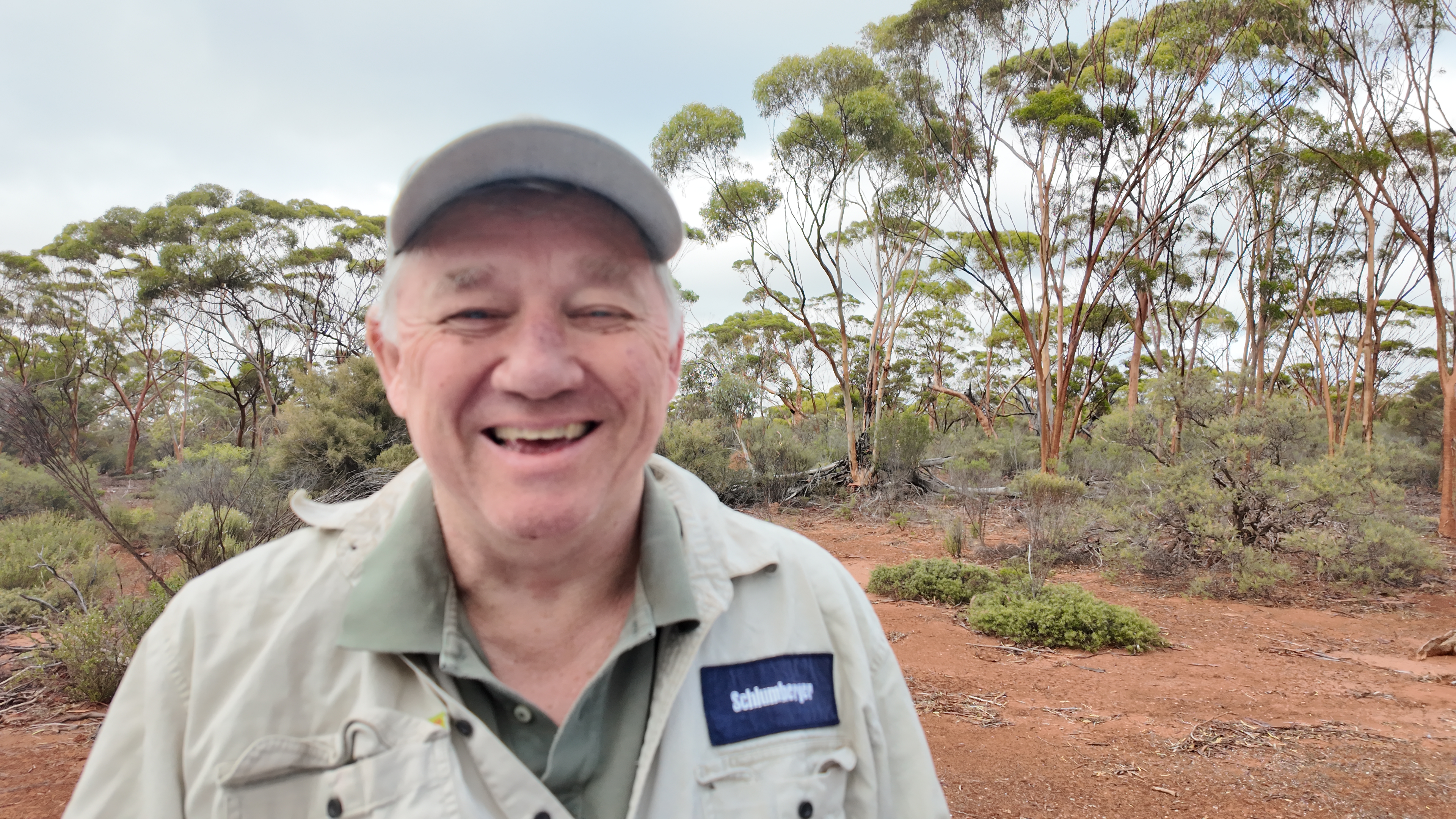
Former exploration geologist with 10 years of professional gold exploration in Western Australia and nearly 35 years as a recreational prospector. Read his full story →