30 June 2026 · Bruce Hearder · 9 min read
location-researchSouthern Cross Gold: A Beginners' Prospectors Roadmap
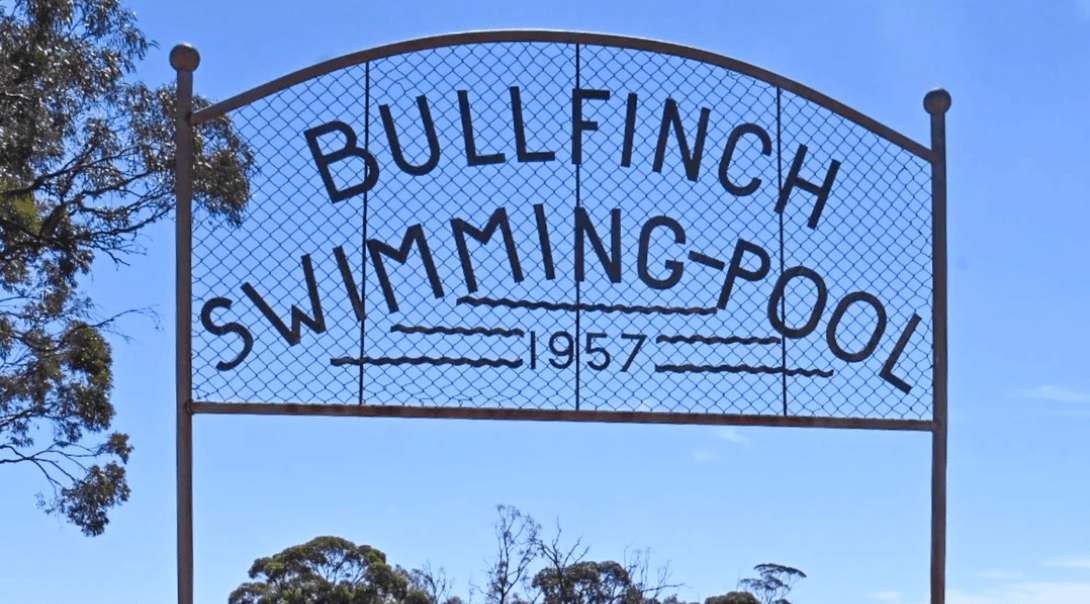
If you’ve been around the goldfields at all, or if you’ve been dreaming about that first real "chunk" of yellow, you’ve likely heard the name Southern Cross whispered like it’s some kind of mythical kingdom.
And for good reason.
The Southern Cross region is legendary. It’s a cornerstone of the Western Australian gold industry. But here’s the thing: you can’t just drive out there, wander aimlessly through the scrub, and hope for the best. If you want to actually find something—and more importantly, if you want to do it without getting a fine or getting stuck in the middle of nowhere, you need a plan. You need to know the ground, you need to know your gear, and you absolutely need to know the law.
I’m going to walk you through everything you need to know before you load the ute and head out.
Understanding the Ground: Why the Gold is Hiding
Before you even think about swinging a coil, you have to understand what you’re actually looking for. In the Southern Cross region, we aren’t just looking at "dirt." We are walking on some of the oldest crust on the planet: the Yilgarn Craton.
The gold here isn’t just randomly scattered like salt on a table. It’s hosted within ancient geological structures called Greenstone Belts. Think of these as massive, ancient layers of volcanic and sedimentary rock that have been squeezed, folded, and cooked by the Earth for billions of years.
The gold usually shows up in two places:
The Hard Rock (Reef Gold): This is gold trapped inside quartz veins. These veins formed when super-heated, mineral-rich water was forced into cracks in the rock. If you see a white quartz vein cutting through dark, heavy rock, you're looking at a geological "plumbing system" that may have been carrying gold for eons.
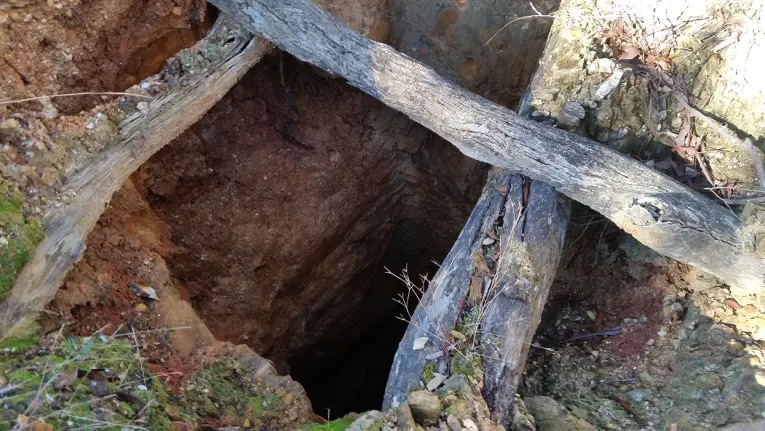
The Surface Layers (Alluvial and Regolith): This is where most gold prospectors with metal detectors spend their time. Over millions of years, the wind and rain have beaten these rocks down. The gold, being incredibly heavy and chemically stubborn, doesn't wash away easily. It settles. It gets trapped in ancient, dried-up riverbeds (we call these paleochannels) or sits in a layer of weathered rock called regolith.
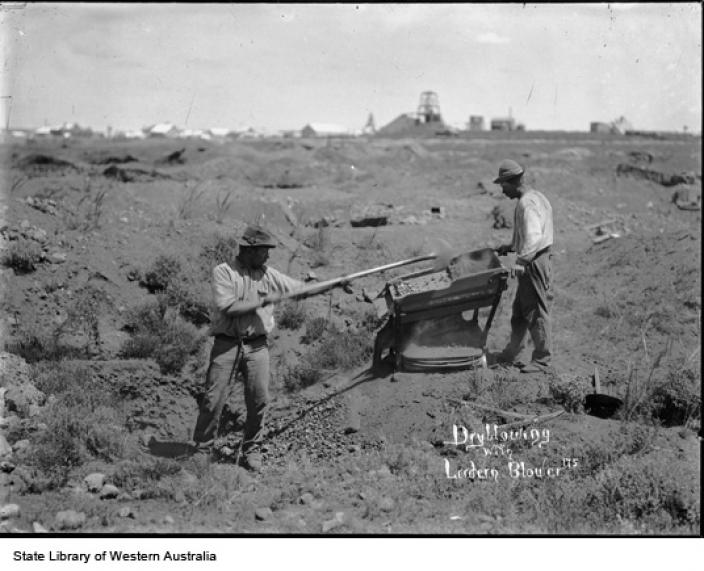
If you want to find gold, you aren't just looking for "gold"; you are looking for where the Earth has concentrated it. You're looking for those old cracks, those old waterflows, and those places where different types of rock meet.
The Tech Talk: Why Your Hobby Detector Might Fail You
Now, let’s talk about the gear. This is where many beginners hit a wall.
You might have a great VLF (Very Low Frequency) detector—the kind that’s fantastic for finding coins or jewelry down on the beach. They are great for "discriminating," meaning they can tell the difference between a gold ring and a rusty nail. But the Southern Cross isn't a park. The ground here is "hot."
When I say "hot," I mean highly mineralized. The soil in this region is packed with iron and heavy minerals. To a VLF detector, all that iron looks like a screaming mess of signals. You’ll spend your whole day chasing "ghost" signals and jumping at every turn, only to dig up nothing.
If you are serious about prospecting in the Southern Cross region, you need to consider using a PI (Pulse Induction) detector.
A PI machine doesn't care as much about the "noise" of the minerals in the ground. It sends a powerful pulse into the earth that can "punch through" that mineralized ground where a VLF would just give up. Yes, you might lose a little bit of your ability to tell a coin from a nail, but in the Goldfields, you aren't looking for coins—you're looking for gold. And a PI machine is the tool that will actually let you hear the gold through all that iron chatter.
PI detectors are generally a lot more expensive than VLF detectors, so I would suggest beginner prospectors actually hire a metal detector for a weekend or so instead of buying one. The host to hire a top of the line PI detector for a weekend can be done for less than $70, where the cost to buy that same machine would cost you nearly $10,000!
Scouting the Hotspots: Where to Direct Your Coil
You can't just drive anywhere. While the whole region is gold-rich, there are specific areas that have historically proven themselves.
Heading North: The Bullfinch Region
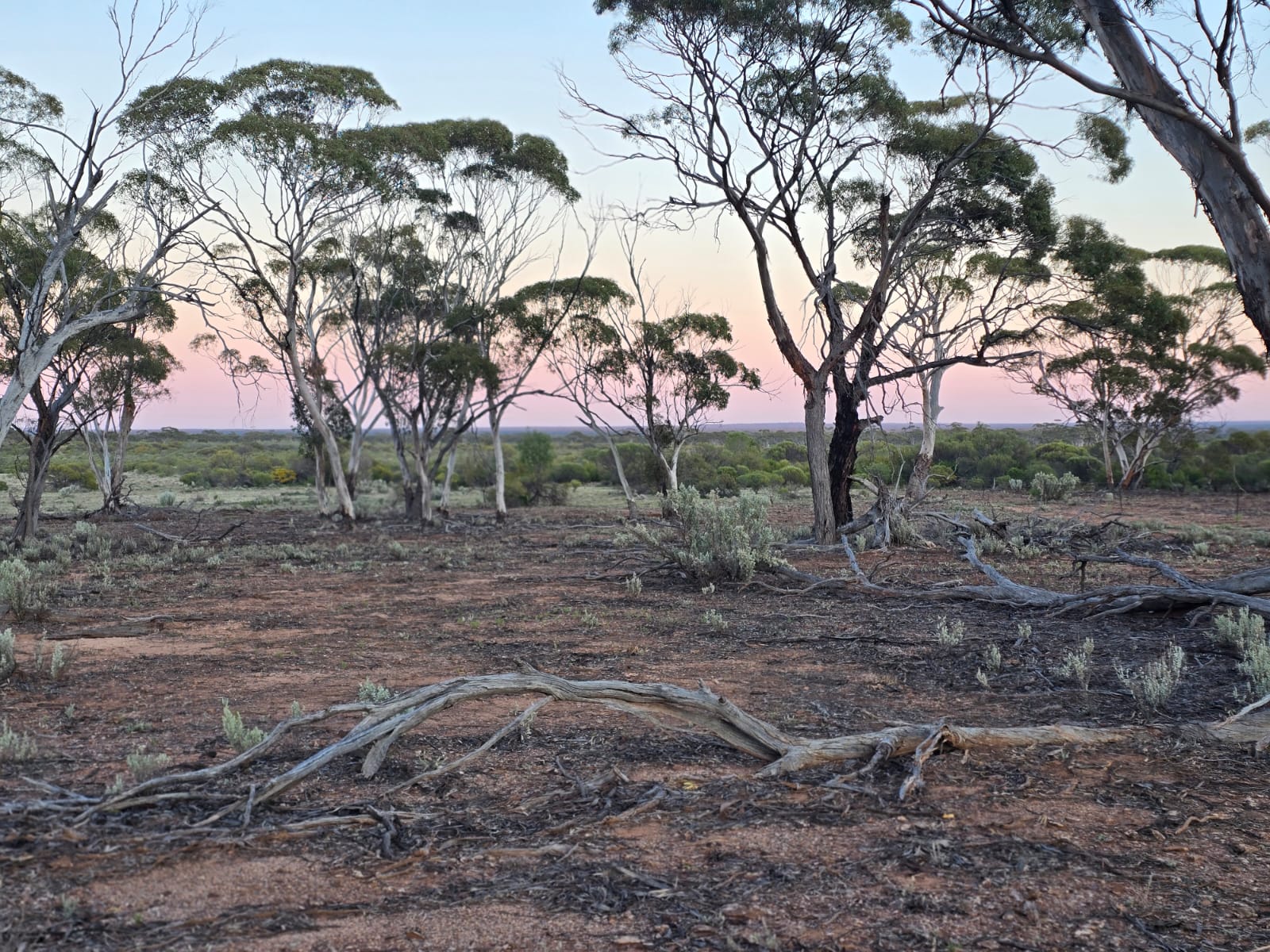 To the north of Southern Cross, you’ve got the Bullfinch area. This is a classic prospecting territory. The landscape here is rugged, and you’re looking for those weathered outcrops and ancient drainage lines. The gold here can be found in the shallow regolith, but you'll need to be prepared for some tough, hard ground.
Heading South: The Marvel Loch Area Down to the south, you find the Marvel Loch area. This area has a massive history, and it’s a place where the geology has been heavily studied. Like Bullfinch, you’re looking for those intersection points in the rock and the remnants of old water flows.
When you're out there, keep your eyes peeled for changes in the color of the soil or the way the rock is laid out. Nature usually leaves a "breadcrumb trail" where the gold is hiding.
The Legalities: Don't Get Caught Out
Listen closely, because this is the part that can ruin your trip before it even starts.
1. The Miner’s Right Before you even touch a patch of dirt with a metal detector, you must have a Miner's Right. This is your "ticket to play." In Western Australia, it is a legal requirement for anyone prospecting for gold. You can get one online, it’s easy, it’s cheap (under $30 for your lifetime, no renewals), and it keeps you on the right side of the law. Don't go out there without one.
2. The "No-Go" Zones: Live Tenements This is where people get into real trouble. You cannot prospect on Live Tenements.
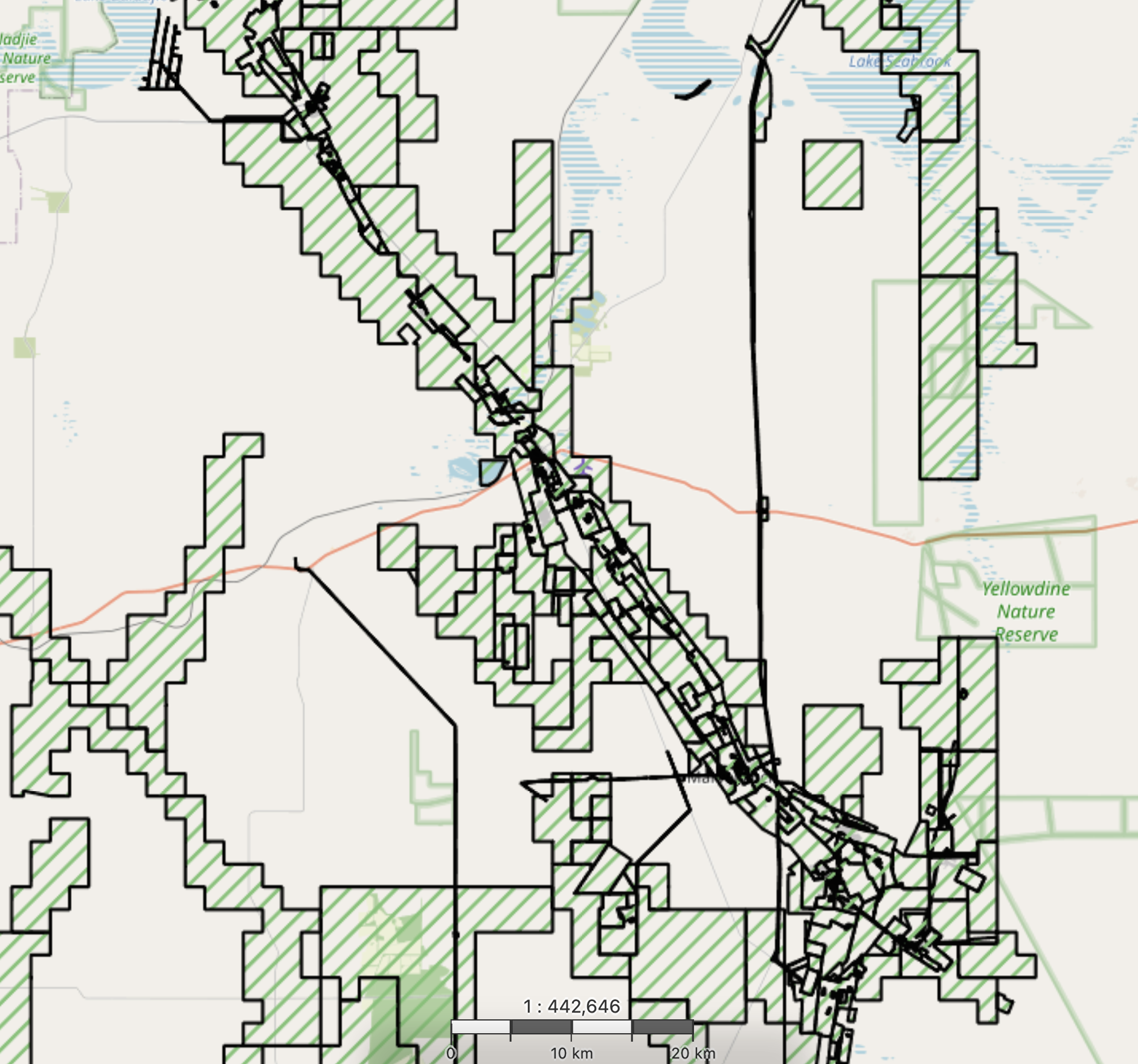
"Live" means that there is an active exploration or mining lease on that land. Mining companies spend millions of dollars of their own money to find gold, and the law protects their right to do that. If you go onto a live tenement and start digging, you aren't just a "nuisance", you are breaking the law.
So, how do you know where the live tenements are? You don't guess. You don't ask the guy at the campsite. You check the maps because the status of tenements can change on a daily basis.
Before you head out, use GeoView or TenGraph. These are the free government tools used to map out the claims. Alternatively, check www.GoldProspectingWA.com—it’s a fantastic resource for local intelligence. If the map says it's a live lease, you turn the ute around and move to the next spot. It’s that simple.
The Logistics: Camping and Surviving the Goldfields
Once you’ve checked your maps, grabbed your PI detector, and secured your Miner's Right, you have to actually live out there.
The Hub: Southern Cross Town Southern Cross itself is your lifeline. Use the town as your base. This is where you’ll find your fuel, your fresh water, and your food. Don't try to be a hero and drive straight into the bush without a supply run.
Camping: Caravan vs. Bush If you're a beginner or you're traveling with family, stay in the managed caravan parks. They have the power, the water, and the facilities you need to reset after a long day of digging. You don't want the family hating their first trip and never want to do it again.
However, if you're heading deep into the bush, you’ll be bush camping. If you do this, you need to be self-sufficient. This means carrying way more water than you think you need, having a reliable satellite communication device (since mobile reception drops off fast), and ensuring your 4WD is up to the task.
Vehicle & Safety This isn't a place for a little hatchback. The roads in the Goldfields can be brutal—corrugated, sandy, or covered in sharp rocks. You need a vehicle with decent ground clearance and, ideally, two spare tires.
And remember the heat. Even in the "cooler" months, the sun in the Yilgarn can be punishing. The best time to prospect is early morning or late afternoon. If you’re out there in the midday heat, you aren't prospecting; you're just asking for a trip to the hospital.
Summary: Getting Out There
Gold prospecting is one of the most rewarding hobbies on the planet. There is nothing quite like the exhilaration of that first "beep" that turns into a real, piece of gold in your hand.
But remember the mantra: Research, Respect, and Reliability.
- Research the geology and the maps (use GeoView/GoldProspectingWA).
- Respect the law (get your Miner's Right and avoid live tenements) and the land.
- Reliability in your gear (get a PI detector) and your supplies (water and 4WD).
Southern Cross is waiting. Now, get out there and find it!
Former exploration geologist with 10 years of professional gold exploration in Western Australia and nearly 35 years as a recreational prospector. Read his full story →