18 June 2026 · Bruce Hearder · 11 min read
getting-startedWhere Can I Find Gold in Western Australia? A Geologist's Guide to WA's Goldfields

Where Can I Find Gold in Western Australia?
You'll find gold across three main belts in Western Australia: the Eastern Goldfields around Kalgoorlie-Boulder, Coolgardie, Leonora, Laverton, Menzies and Norseman; the Murchison around Meekatharra, Cue, Mount Magnet, Sandstone and Wiluna; and the Pilbara around Marble Bar, Nullagine and Egina. Nearly all of it sits on ancient Archean greenstone belts within the Yilgarn and Pilbara cratons — that geology is the single biggest clue to where the gold is. Before you go, you need a Miner's Right (a lifetime permit) and you must check that the ground isn't tied up by a live mining tenement.
That's the short answer. Now let me give you the version you actually need — the one that stops you driving 600 km to swing a coil over barren granite.
I spent the better part of 10 years as an exploration geologist in these goldfields before I started filming any of it. So instead of a list of "top secret hotspots" (there's no such thing — the good country has been walked over for 130 years), I'm going to teach you to read the country. Get that right and you can find your own ground anywhere in the state.
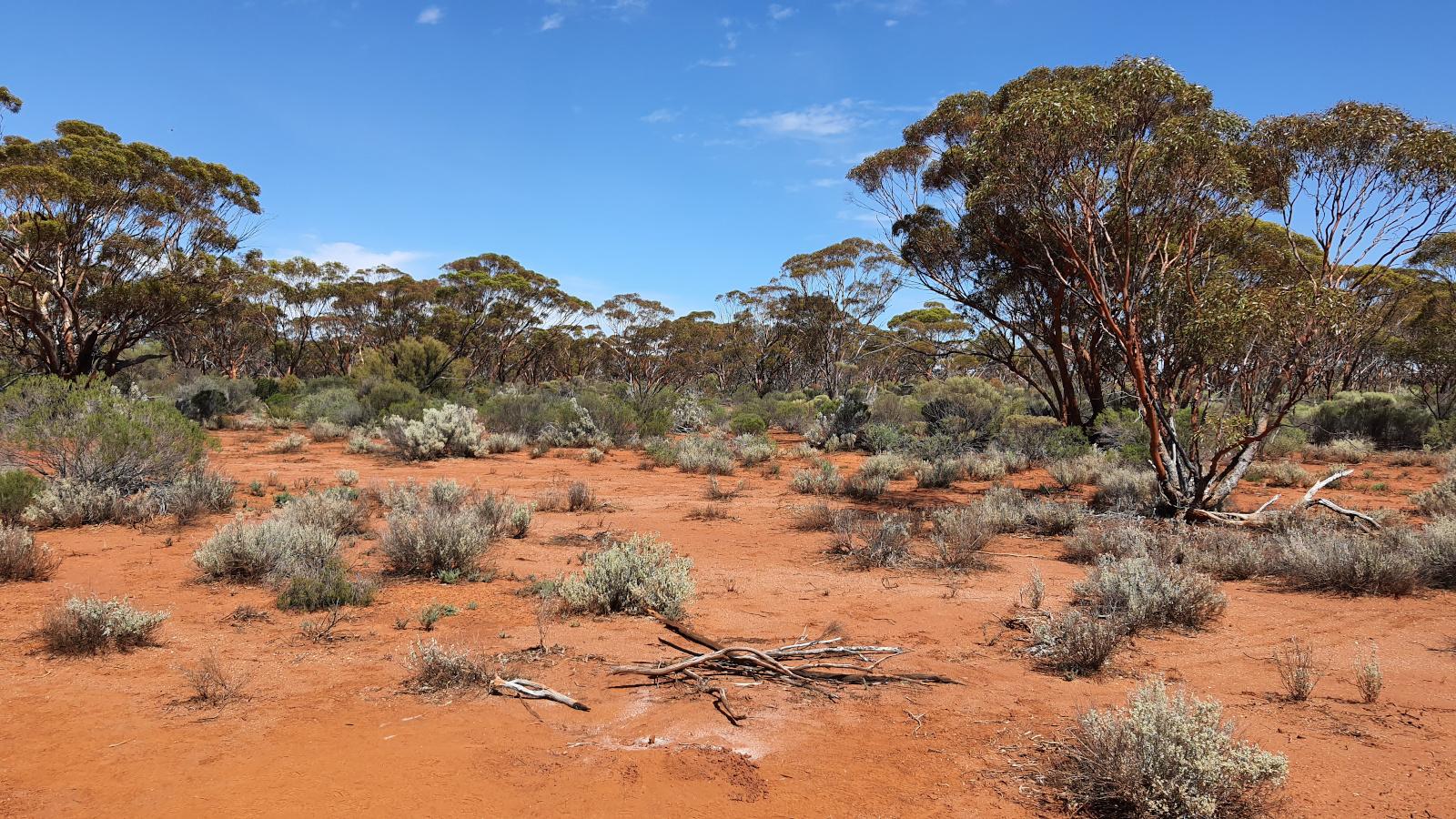
Where is the best place to find gold in Western Australia?
There's no single "best" spot, but there are three regions where a beginner has the best odds. Here's the rundown.
| Region | Key towns & old fields | What it's known for | Getting-started notes |
|---|---|---|---|
| Eastern Goldfields | Kalgoorlie-Boulder, Coolgardie, Kanowna, Ora Banda, Menzies, Leonora-Gwalia, Laverton, Norseman, Widgiemooltha | The richest, most accessible and best-serviced fields in the state. The Golden Mile alone has produced over 60 million ounces. | Best place to start. Sealed roads, towns, fuel, detector shops. Huge amount of historically worked, detector-friendly ground. |
| Murchison | Meekatharra, Cue, Mount Magnet, Sandstone, Wiluna, Paynes Find, Tuckanarra | Famous nugget patches and quartz-reef gold. Quieter and more remote than the Goldfields. | Step up from the Goldfields. More self-sufficiency needed. Excellent nuggety country. |
| Pilbara | Marble Bar, Nullagine, Bamboo Creek, Egina | Coarse nuggety gold and the famous conglomerate ("watermelon-seed") gold around Egina. Hot, remote, rugged. | For the experienced and well-prepared. Brutal heat — winter only. |
If you've never done this before, start in the Eastern Goldfields. You can base yourself in Kalgoorlie, fix gear in town, and there's more historically prospected, accessible ground within a couple of hours' drive than you could detect in a lifetime.
What does gold-bearing country look like in WA?
This is the part most "where to find gold" articles skip, and it's the part that actually matters. WA gold isn't scattered randomly — it follows the geology.
Greenstone, not granite. Almost all of WA's gold sits in greenstone belts — strips of old, dark, metamorphosed volcanic and sedimentary rock squeezed between big bodies of granite. The greenstone is the prospective country. The granite, broadly speaking, is barren. The first thing I do looking at any new area is work out where the greenstone is and where the granite is. Get on the wrong rocks and you can swing a coil all day for nothing.
Follow the structure and the reefs. Within the greenstone, gold concentrates along shear zones (big faults and crush zones) and in quartz reefs and lodes. Old-timers chased the quartz blows — those white quartz outcrops standing up out of the dirt. Where you see quartz reefs, dryblowing heaps and old shafts clustered together, you're in mineralised ground.
Watch the ironstone. Banded iron formation (BIF) — those rusty, hard, striped ridges — is one of the best gold hosts in the Yilgarn. A BIF ridge running through greenstone is worth a very close look.
The regolith is your friend. WA has been sitting still and weathering for tens of millions of years. That deep weathering has broken down the primary gold and re-concentrated it near the surface — in lateritic and ferruginous gravels, in calcrete, and as nuggety gold sitting in the top metre or so of soil. This is the whole reason metal detecting works so well here: nature has already done the hard concentrating for you and parked the gold within reach of a coil.
Read the old workings. The men who came through in the 1890s found the surface gold — the stuff you could see, dryblow or dig a shaft for. What they couldn't do is hear gold under the ground. That's exactly the gold a modern detector finds. So old workings aren't "worked out" — they're a giant flashing sign saying gold occurs here, and the sub-surface nuggets are often still sitting there.
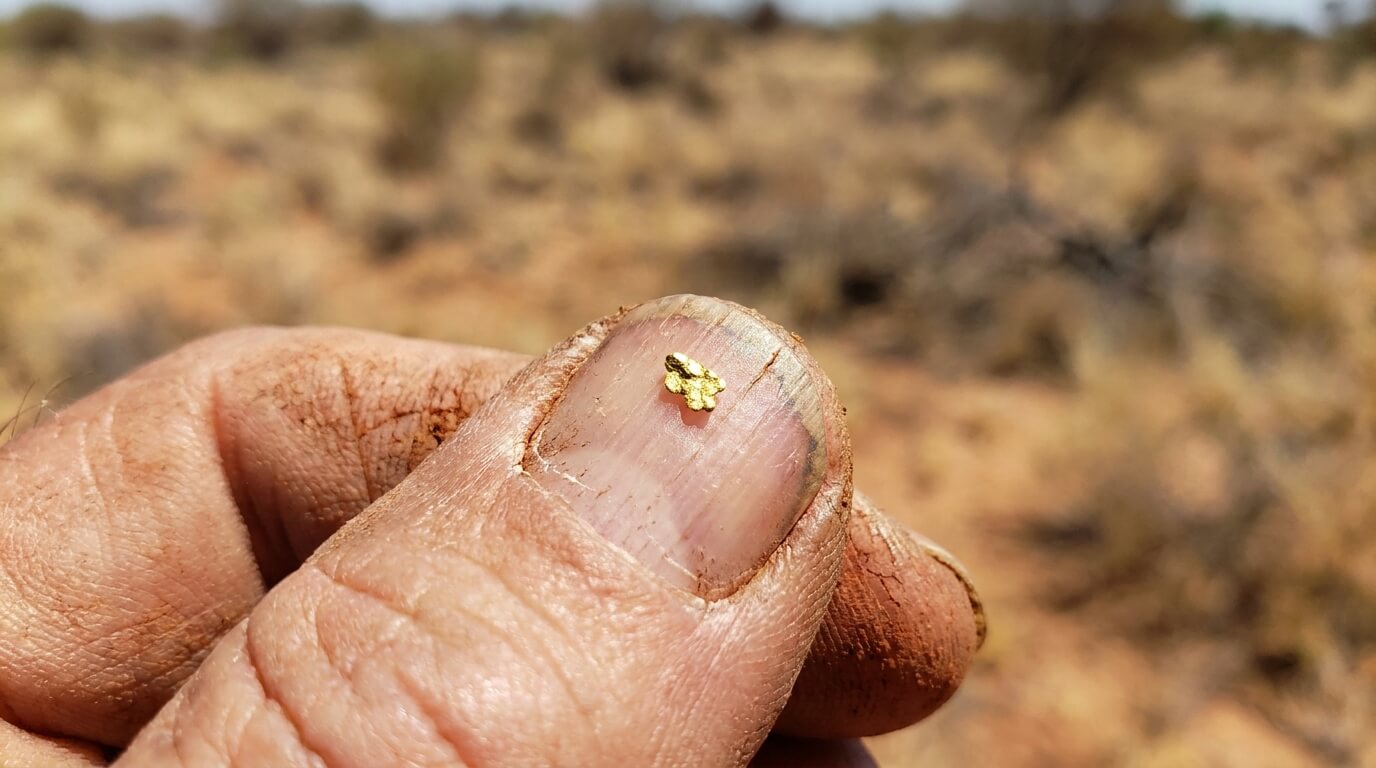
Eastern Goldfields: the best place for beginners
This is the heart of it. Paddy Hannan's 1893 strike at Kalgoorlie kicked off the rush that built the Golden Mile, and the whole region from Norseman in the south to Leonora and Laverton in the north is laced with greenstone belts and old fields.
Productive, accessible country surrounds towns like Coolgardie (where Bayley and Ford started it all in 1892), Kanowna, Broad Arrow, Ora Banda, Menzies, Leonora-Gwalia and Widgiemooltha. The Widgiemooltha–Larkinville area in particular is famous nugget ground — the 1,135-ounce Golden Eagle nugget came out of Larkinville in 1931.
Why start here: sealed highways, real towns, fuel and water, mobile reception near the towns, and detector shops in Kalgoorlie where you can get gear repaired and pick up local knowledge. You're never far from help while you learn.
Murchison: nugget patches and elbow room
North-west of the Goldfields, the Murchison is quieter, more remote, and loaded with classic nuggety country. Mount Magnet, Cue, Sandstone, Meekatharra, Wiluna and Paynes Find all sit on rich greenstone and have long histories of both reef gold and patch gold.
The trade-off is self-sufficiency. Towns are smaller and further apart, and you need to be set up to look after yourself. But the ground is excellent, and there's far more of it to yourself than around Kalgoorlie.
Pilbara: coarse gold for the well-prepared
Up north, the Pilbara is a different animal — older rocks (the Pilbara Craton), coarser gold, and serious heat. Marble Bar, Nullagine and Bamboo Creek have produced beautiful nuggety gold for over a century. More recently, the Egina area south-west of Port Hedland became famous for coarse "watermelon-seed" nuggets and the much-debated conglomerate-hosted gold.
The Pilbara is for prospectors who already know what they're doing. It's remote, the heat will kill you if you're careless, and you should only go in the cooler months. Wonderful country — but earn your stripes in the Goldfields first.
Do I need a permit to find gold in WA?
Yes. Here's exactly what's legal, because the penalties for getting it wrong are steep — prospecting without authority can cost an individual up to $150,000.
1. Get a Miner's Right. This is the core permit. It's a one-off, lifetime permit issued by the Department of Mines, Petroleum and Exploration (DMPE) — the renamed department, formerly DEMIRS/DMIRS, as of 1 July 2025. It costs a modest fee (around $30 — check the current rate on the DMPE website, and you can apply online. A Miner's Right lets you prospect and keep samples up to 20 kg, using hand tools only. It does not allow mining or machinery.
2. Know where you're allowed. A Miner's Right covers most vacant Crown land, which makes up the large majority of the state. It does not cover national parks, nature reserves or other restricted land. You also can't prospect within 100 m of an occupied dwelling, or within 400 m of a stock watering point, without permission.
3. Check the tenement before you go. This is the bit beginners trip on. Much of the prospective ground is covered by mining tenements. The rule of thumb:
- Pending (applied-for) tenements — open to you with a Miner's Right.
- Granted Prospecting Licences (P) and Mining Leases (M) — you need the holder's written permission.
- Granted Exploration Licences (E) — you need a Section 40E permit (a Gold Prospecting Permit), and you must notify the licence holder and report any gold you recover.
Check live tenement status on DMPE's official map viewers (GeoVIEW.WA and Tengraph before every trip. A tenement overlay is exactly what we built GoldProspectingWA.com to make easy in the field — it shows you live vs pending ground on your phone so you're not cross-referencing government systems in the dirt.
4. On pastoral leases, notify the pastoralist of where you'll be and for how long, leave gates as you find them, and don't damage fences or tracks.
The official summary worth bookmarking is DMPE's "Seven Golden Rules for Prospecting."
How do I know if a piece of ground is worth detecting?
When you're standing on a new patch, run through this quick mental checklist:
- Am I on greenstone, not granite? Check the geology layer before you leave home.
- Is there ironstone (BIF) or quartz reef nearby? Ridges and blows are good signs.
- Are there old workings? Shafts, costeans, dryblowing heaps = proven gold ground.
- Is the ground legally open? Tenement checked, Miner's Right in pocket.
- Found one bit? Stop. Slow right down and grid the area methodically — nuggety gold is patchy, and where there's one there are usually more.
What gear and preparation do I need?
For nuggety WA gold in highly mineralised soil, prospectors generally run Pulse Induction (PI) detectors or high-frequency gold-specific VLF machines (Minelab's GPX, GPZ and Gold Monster series are the usual choices) because they handle hot ground. But the gear matters less than the preparation:
- 4WD — most good ground is on unsealed roads that turn to soup after rain.
- Water — minimum 10 litres per person per day, plus reserves. The outback does not forgive running dry.
- Comms — phone reception is rare. Carry a PLB or satellite communicator and tell someone your plan.
- Season — go in the cooler months (roughly April to September). Summer out here is genuinely dangerous.
- Fill your holes and leave no rubbish. It keeps the ground open for everyone.
Frequently asked questions
Do I need a permit to go gold prospecting in Western Australia? Yes. You need a Miner's Right, a lifetime permit issued by the Department of Mines, Petroleum and Exploration (DMPE). It lets you prospect on most vacant Crown land using hand tools and keep samples up to 20 kg. It does not authorise mining or machinery.
Where is the easiest place to start prospecting in WA? The Eastern Goldfields around Kalgoorlie-Boulder and Coolgardie. The roads are sealed, towns have fuel, water and detector shops, and there's an enormous amount of historically worked, detector-friendly ground within a couple of hours' drive.
Can I prospect on a mining tenement? It depends on the status. Pending tenement applications are open to a Miner's Right holder. Granted Prospecting Licences and Mining Leases need the holder's written permission. Granted Exploration Licences need a Section 40E Gold Prospecting Permit. Always check live status on GeoVIEW.WA before you go.
What's the best detector for WA goldfields? A Pulse Induction or high-frequency VLF detector designed for gold nuggets, such as the Minelab GPX, GPZ or Gold Monster series. WA's highly mineralised soils demand a machine that can ground-balance through hot dirt.
Is the gold I find mine to keep? On vacant Crown land not covered by a tenement, yes — what you find with your Miner's Right is yours. On a tenement, it's subject to your agreement with the holder.
When is the best time of year to go? The cooler months, roughly April to September. The goldfields are extremely hot and remote in summer, and the Pilbara especially should only be worked in winter.
About the author
Bruce is a former exploration geologist with around decades of experience in the Western Australian goldfields. He runs GoldProspectingWA.com, a mapping platform that overlays geology and live tenement data for recreational prospectors, and the Part-Time Prospector YouTube channel, where he teaches beginners how to read the country and find their own gold. Think of him as a mate at the pub who happens to know the rocks.
This article is general information, not legal advice. Permit fees and tenement rules change — always confirm current requirements with the Department of Mines, Petroleum and Exploration (DMPE) before you head out.
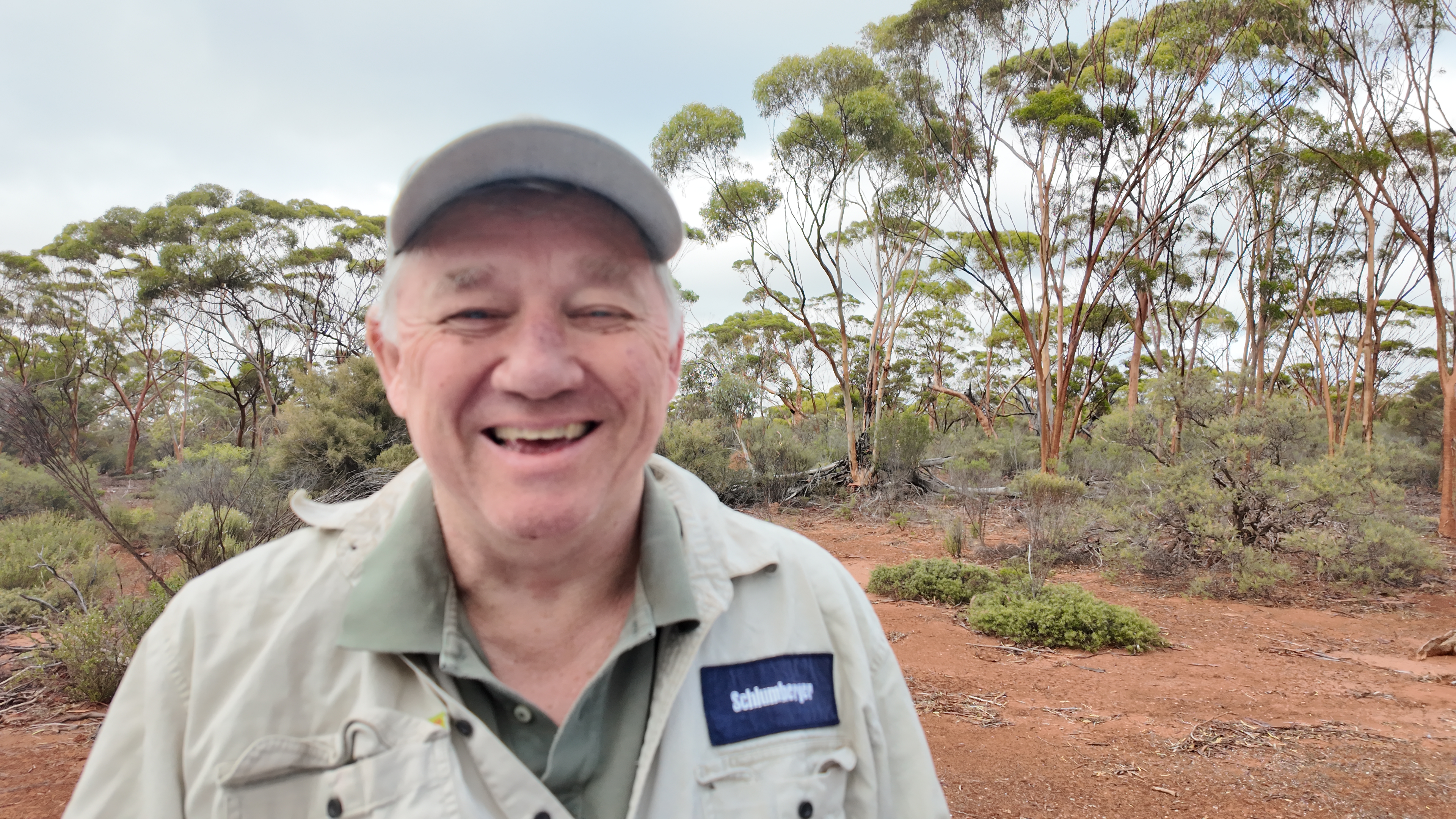
Former exploration geologist with 10 years of professional gold exploration in Western Australia and nearly 35 years as a recreational prospector. Read his full story →